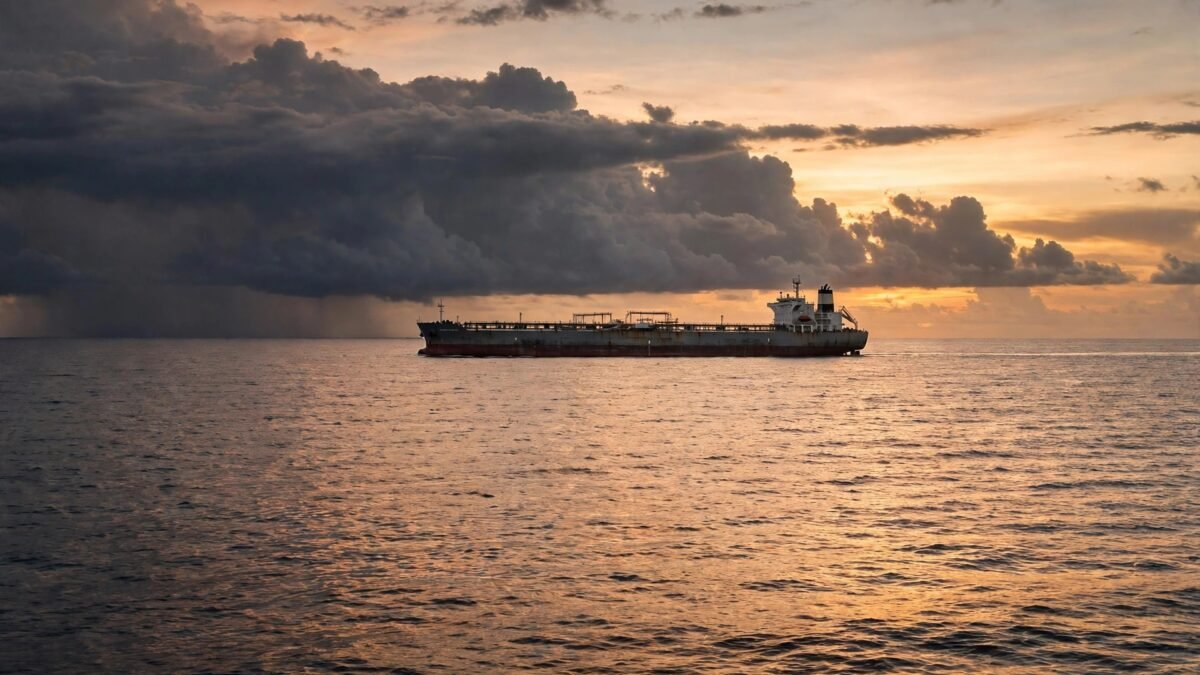
The United States government is investigating suspected cyberattacks on as many as 50 commercial ships carrying oil, liquefied petroleum gas, chemicals and other hazardous cargo. The attackers used known flaws in Fortinet FortiGate devices, the networking hardware that manages firewalls and virtual private networks aboard many ships, to get in. The Fortinet ships hack is still a suspected wave, not a confirmed count. The number at the centre of it, 50, is what officials believe, not what they have confirmed. Iran is the primary suspect, but investigators have found no evidence linking Iran to the incidents, according to a Trump administration official cited by Security Affairs. No ship has reported an operational disruption, and no example has been shared of attackers taking control of a vessel’s propulsion, steering or navigation.
What happened to the ships?
The device at the centre of it is the same one the US government warned the shipping industry about in September. Hackers exploited known vulnerabilities in Fortinet FortiGate devices, which are frequently used in the maritime industry, and then pivoted from the ships’ IT systems to their operational technology networks, the devices that control physical processes on board. A US official familiar with the investigation told NPR the attackers “could have impacted the systems on board that control propulsion, steering, navigation, and cargo management”, but shared no examples of that kind of activity occurring. The reported incidents do not demonstrate that attackers gained control of critical navigation or propulsion systems.
Crews noticed something was wrong on board. In some cases, people aboard the ships suspected trouble when they noticed email disruptions, could not log in to their accounts, or, in at least one case, went through an extended communications blackout. At least one of the ships affected was an LNG tanker designed to transport liquefied natural gas, where keeping systems at a certain temperature matters to prevent dangerous accidents, since the cargo is explosive. Other vessels received bomb threats, ransom demands, and messages warning them against transporting US products, and some ships may have been compromised without their crews knowing.
The one LNG carrier named in reporting, the Vivit Africa, was reportedly targeted while transporting liquefied natural gas from the United States to Italy, according to Security Affairs. It experienced onboard system problems and received a bomb threat, although publicly available information does not establish that a cyberattack caused the technical incident. That distinction matters, and it runs through the whole story: a ship can have a problem and a threat at the same time without the first being caused by the second.
The warning came in September
The government warned the shipping industry about these FortiGate flaws in September, before the scale of it became public. That is the timeline that matters.
| When | What happened |
|---|---|
| August 2026 | The Coast Guard and FBI board two foreign commercial vessels in the Gulf of America heading to US ports. The captain, crew and shore-side staff helped ensure the threats were mitigated. |
| September 2026 | US Coast Guard Cyber Command and the FBI issue a joint cyber bulletin warning the shipping industry that state-sponsored actors were breaking into FortiGate devices in maritime environments. “Threat actors routinely scan for specific, unpatched vulnerabilities to gain a foothold,” the bulletin read. |
| November 2026 | The Wall Street Journal first reports the investigation: as many as 50 ships are believed to have been attacked, according to US officials and others familiar with the matter. |
| Tuesday 24 November 2026 | NPR confirms the investigation and reports the FBI and Coast Guard saying there are currently no reports of operational disruptions, vessel instability, danger to crews, or environmental impacts. Officials say they are bracing to investigate any ship entering US ports that could be compromised. |
| Wednesday 25 November 2026 | Security Affairs re-reports the story. |
The bulletin is the hinge. In September, the government warned that state-sponsored actors were breaking into FortiGate devices in maritime environments. In November, the same devices are suspected to be behind a wave of up to 50 compromised vessels. The gap between the warning and the scale is the story: the industry was told, in writing, in September, and many other ships might still be vulnerable to similar attacks.
What is confirmed, and what is only believed?
Two things are confirmed: the investigation exists, and the September bulletin was issued. Everything else sits on a spectrum from reported to believed to unproven, and the article keeps them separate.
Confirmed: the US government is investigating suspected cyberattacks on commercial vessels; the Coast Guard and FBI issued the September bulletin; two vessels were boarded in August; and the FBI and Coast Guard told NPR there are currently no reports of operational disruptions, vessel instability, physical danger to crews, or environmental impacts. Reported, not confirmed: that the attackers exploited known Fortinet FortiGate flaws, according to a US official familiar with the investigation; and that Coast Guard cyber protection teams have reportedly been deployed to at least four vessels approaching US ports, with the VL Prosperity and the Kohaku among the ships inspected.
Believed, not confirmed: that as many as 50 ships were actually breached. The figure is what US officials and people familiar with the matter believe, and the official declined to comment on how the US government knows the extent of breaches across the sector. The publicly described inspections cover a handful of vessels, two boarded in August and at least four more that Coast Guard cyber protection teams were reportedly deployed to, and the sources do not say whether those groups overlap. Against a believed scope of up to 50, the confirmed inspections are a small fraction, and the official would not say how the wider extent is known. That gap is the uncertainty at the heart of this story, and the reason the headline number must be labelled believed, not stated as fact.
Unproven: that Iran is behind the attacks. Iran is the primary suspect, and Russia is also being considered, but a Trump administration official told the Wall Street Journal that investigators have found no evidence linking Iran to the incidents, and described four of the attacks as minor disruptions. Unproven as well: that attackers damaged or controlled propulsion, steering, navigation or cargo systems; that the Vivit Africa’s system problems were caused by a cyberattack; and that the bomb threats and ransom demands came from the same hackers who exploited the Fortinet flaws. No specific Fortinet vulnerability or CVE has been named in either source, and no affected-person count or data theft has been disclosed.
Why ships are easy targets
The vessels were not beaten by sophisticated tradecraft. “These are not sophisticated attacks,” the US official told NPR. “This is a known vulnerability that could be mitigated with some pretty basic cyber hygiene.” Alon Ayalon, co-founder of maritime cybersecurity firm Cydome, told the Wall Street Journal that most vessels have “less cyber protection than a midsize office.” Modern ships are highly integrated systems, and the Coast Guard’s own statement puts the stakes plainly: “A cyberattack presents significant risks, including the potential for a collision, grounding, oil spill, or even an explosion.”
National security officials have feared this for years. A former Navy official, speaking anonymously to NPR about internal operations, said “we had been tracking the possibility to exploit and take control of [operational technology] systems on Navy ships and Merchant [Marine] ships for a long time, and now this is coming to fruition.” The official familiar with the investigation added a different frame: “It’s a totally new paradigm that these tankers are networked in this way.” The ships carry cargo that can explode, and run firewalls and VPNs that were already known to be vulnerable. Commercial vessels have been accustomed to physical security reviews entering the United States since the September 11 attacks; digital threats, the official said, are becoming all the more important to track because adversaries can break in and cause damage from afar.
What should ship operators do now?
Our advice for operators: patch the FortiGate devices, separate the ship’s IT network from its operational technology, and follow the Coast Guard’s bulletins. Close the known flaws, tighten remote access, and keep the systems that steer the ship apart from the systems that run its email.
- Patch every FortiGate device on board, since attackers scan for unpatched flaws and known vulnerabilities are the way in.
- Separate the ship’s IT network from its operational technology, so an email breach cannot reach propulsion or cargo controls.
- Tighten remote access controls on shipboard networks, so only people who need to reach the FortiGate devices can do so.
- Follow the Coast Guard bulletins, and treat ships entering US ports that could be compromised as candidates for inspection.
- Brief crews on the warning signs seen so far, including email disruptions, login failures and extended communications blackouts.
What to watch next
Whether the count firms up: whether officials confirm 50 vessels, revise the number down, or name the ships. Whether a specific Fortinet vulnerability or CVE is named, which would tell operators exactly what to patch. Whether the Iran link is established or dropped, and whether Russia stays in the frame. Whether any ship reports an operational disruption, which would change the story from a suspected wave into a confirmed one. And whether the Coast Guard boards more vessels ahead of winter and the busy holiday season for commercial shipping, when officials say they are bracing to investigate any ship entering US ports that could be compromised. “People take the marine transportation system for granted until there’s a problem and their stuff doesn’t get there by Christmas,” the US official told NPR. The FBI and Coast Guard told NPR there are currently no reports of operational disruptions. The question is how many of its ships are already compromised, and whether the vulnerability is closed.