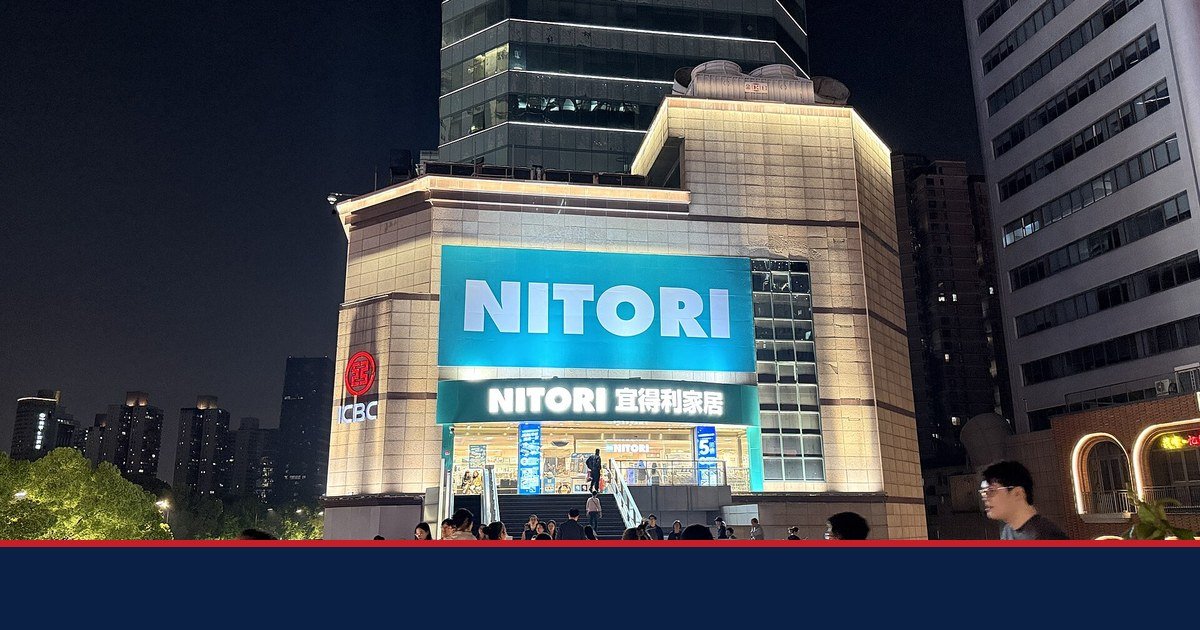
Nitori, Japan’s largest furniture retailer, says up to 37.62 million customer records may have leaked after unauthorised access to one of its systems, and the reach of the incident is wider than a customer list. The records include people who never held a Nitori account at all: shoppers who bought once without signing up, and customers who ordered through Nitori’s official shops on online malls. Nitori disclosed the incident on 9 November, three days after it confirmed and blocked the access on 6 November, and says the access may have begun in mid to late October. This is a Japan-focused story: Nitori has no stores in the United States, and the disclosure does not specify the affected customers’ countries of residence.
Who is in the 37.62 million
The figure is a count of records, not people, and one person can appear in more than one record. Nitori says the potentially exposed records cover individual Nitori Group members, people who bought from the Nitori group without an account, corporate members, and orders placed through Nitori Net and Nitori’s official shops on online malls. That last group is the twist: a shopper who ordered a Nitori product through an online mall may never have thought of themselves as a Nitori customer, yet their order information was within the scope of the affected Nitori systems.
For scale, 37.62 million records is roughly 30.7% of Japan’s population of about 122.69 million (the Statistics Bureau’s estimate as of 1 October 2026), but that is a numerical scale illustration only, not a percentage of the population affected, since records are not people. Nitori is a large company by any measure: often called the “IKEA of Japan”, it operates 879 stores in Japan and 219 more overseas, with annual revenue of $5.8 billion, according to BleepingComputer. The company says the figure may change as log analysis and data matching continue.
What was in the records, and what was not
For individual members and buyers, the potentially exposed fields are member number, name including the kana reading, email address, home address, phone number, birth date and gender. For corporate members, the fields are member number, company name, department, representative’s name, company address and phone, and the contact person’s name, email and phone. Orders placed through Nitori Net and the official mall shops contribute order information. The exact fields vary by customer, and Nitori has not said which online malls are involved or what the order data includes.
Two things were not in the potentially exposed data. Login passwords and credit-card information were not included, Nitori says, and that is confirmed across the reporting. That limits the direct financial risk, but the exposed contact and membership details could still support convincing phishing or impersonation, and the exact order information involved has not been specified. Nitori says it has dealt with the vulnerable point, strengthened monitoring and continues to block the attackers, but it has not said what the weakness was or how the attackers got in.
Three breaches, eleven days
Nitori is the largest of three Japanese retail breaches disclosed in less than two weeks. Iris Ohyama first disclosed unauthorised access on 29 October, and a follow-up notice on 5 November put the potential population in the affected cloud service at about 7.7 million people. Nitori and Sega both disclosed on 9 November. Sega said about 2.2 million customer email addresses leaked after a contractor used to send newsletters was compromised, and reported 92,300 further records with additional distribution information still being checked.
| Iris Ohyama (29 Oct; figure 5 Nov 2026) | Nitori (9 Nov 2026) | Sega (9 Nov 2026) | |
|---|---|---|---|
| Records | About 7.7 million people | Up to 37.62 million | About 2.2 million emails + 92,300 distribution records |
| What was exposed | Customer records after a cloud-service intrusion | Member, buyer, corporate and mall-order records | Newsletter email addresses + 92,300 distribution records; breach at contractor ARARA |
| Passwords / card data | Card data not stored; active-member passwords stored encrypted | Not included | Not included |
| How it was found | Cloud-service intrusion | Unauthorised access, confirmed 6 Nov | Contractor compromise |
| Headline-figure ratio vs Nitori | Nitori is about 4.9 times larger | Fourth-largest in Japan in 2026, per Japan Cyber Watch | Nitori is about 17 times larger |
The timeline is short. The access may have begun in mid to late October, Nitori confirmed and blocked it on 6 November, and disclosed it on 9 November, three days after discovery and up to about three weeks after the possible first access. The cause is still unknown and no attacker has been named, and whether ransomware was involved has not been established. Nitori reported the incident to Japan’s Personal Information Protection Commission and is consulting the police. One wording detail matters: BleepingComputer’s headline says hackers “stole” the records, but its own body quotes Nitori’s wording, that up to 37.62 million records “may have been leaked externally”. Actual exfiltration is not confirmed, and the headline should not be quoted as the fact.
What should I do if I bought from Nitori?
If you bought from Nitori, watch for messages pretending to be Nitori, a delivery company or an online mall. Nitori will never ask for your password, card number or PIN by email or phone. Check for Nitori’s own letter or email, and review your accounts for anything you do not recognise.
- Watch for messages pretending to be from Nitori, a delivery company or an online mall.
- Remember Nitori says it will never ask for your password, card number or PIN by email or phone.
- Check for a letter or email from Nitori directly, and follow only its official channels for updates.
- Review your email and any Nitori account for logins or orders you do not recognise.
- Do not click links in messages about this incident; open Nitori’s site or app yourself instead.
- If you bought through an online mall, check that account too, since mall orders were included.
Steps 1 to 3 follow Nitori’s own warning. Steps 4 to 6 are standard security practice, not instructions from Nitori.
What to watch next
Five questions are still open. Whether Nitori’s updated figure rises or falls as log analysis and data matching continue, since the company warned the number may change. Whether Nitori confirms that data was actually taken, or names an attacker or a ransomware link. Whether the Personal Information Protection Commission or the police publish findings. Whether Nitori discloses the vulnerability or entry point. And whether investigators or researchers find evidence that data was actually taken, including any appearance on tracked leak sites.