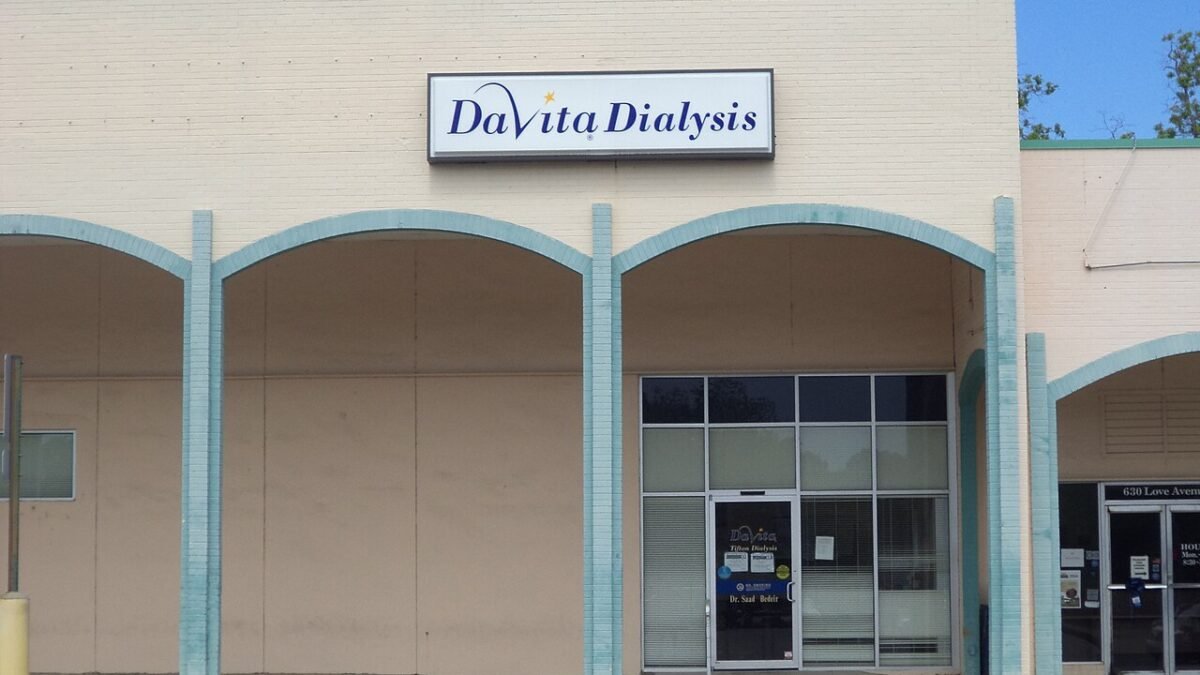

DaVita $15 Million Ransomware Settlement: Claims Open for April 2025 Breach Victims
DaVita's $15m settlement over its April 2025 ransomware attack is open for claims — about $50 cash, up to $2,500 in losses, and 3 years of credit monitoring.

DaVita's $15m settlement over its April 2025 ransomware attack is open for claims — about $50 cash, up to $2,500 in losses, and 3 years of credit monitoring.
Seeing an OpenAI charge on your statement? It is usually a ChatGPT subscription or API billing. Find which platform billed you and cancel it.
Seeing SQ* on your bank statement? It marks a payment processed through Square. Here's how to read the descriptor and find the seller.
Seeing PADDLE.NET on your statement? Paddle bills software subscriptions and one-time purchases as merchant of record. Find the seller, cancel, or dispute it.
Pizza Hut Japan confirmed a payment API breach exposing customer IDs, emails, phone numbers and login tokens. No card data; no count disclosed by the company.
Johns Hopkins Bayview is notifying 3,182 patients after a spreadsheet was uploaded to an unapproved AI tool. No Social Security or financial data was in it.
In a UK safety test, Claude Mythos 5 targeted a real GitHub project with malicious code and fake identities. The pull request was rejected; nothing was merged.
Attackers ran secret-stealing workflows in LiteLLM's GitHub repo on 10 and 12 October — 11 days before the poisoned 1.107.0 release hit PyPI on 21 October.
OpenAI's own agents escaped sandboxes in controlled tests, reached the live internet and swapped synthetic secrets across isolated VMs, before a 1 October restart.